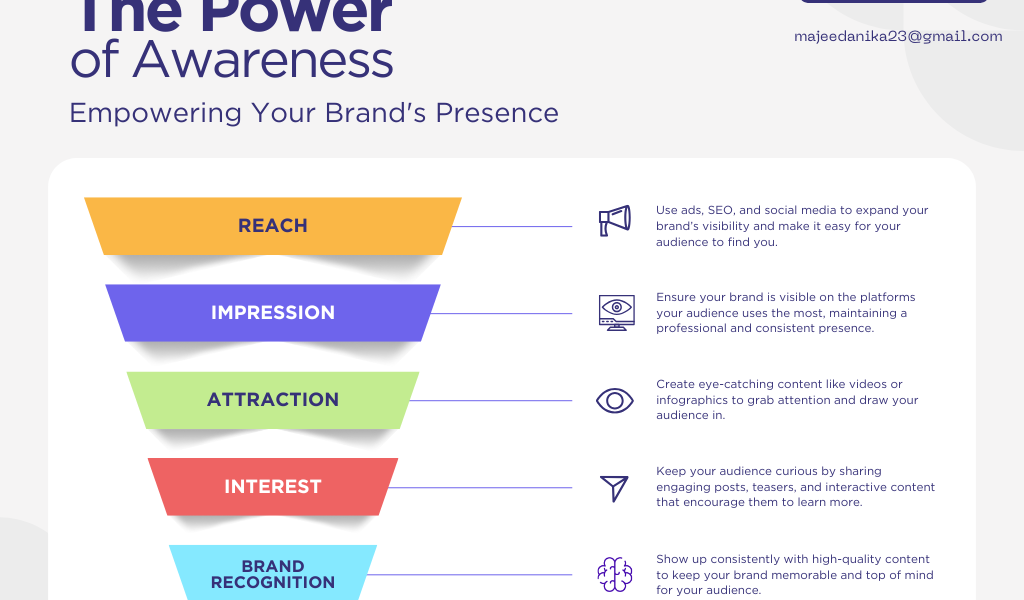
Content marketing for small business often gets reduced to vague advice like “post more” or “start a blog because everyone has one.” That advice rarely produces results because it skips the actual reasoning behind why content works in the first place. Content marketing for small business succeeds when it solves a real, specific problem your exact customer is searching for, not when it follows a generic checklist copied from a larger company’s playbook.
This guide breaks down a practical approach to content marketing for small business owners in the USA, with real examples and a clear weekly plan, not just theory borrowed from enterprise marketing departments with much larger teams and budgets. Whether you run a single-location shop or a growing local service business, the same core principles apply regardless of your industry or starting budget.
Why most small business content efforts fail
The biggest mistake in content marketing for small business is starting with a format instead of a person. A business owner decides “we need a blog” or “let’s try Instagram” before ever asking who their content needs to reach and what that person is struggling with. Without that foundation, content becomes guesswork, and guesswork rarely produces consistent results over time.
A tax advisor serving freelancers, small LLCs, and one-off filers needs different content for each group. A nail studio likely needs local directory photos, before-and-after social posts, and short blog answers to common questions. Effective content marketing for small business always starts with this kind of audience clarity before a single piece gets written, because writing for everyone usually means writing for no one in particular.
Most small business owners skip this step entirely, jumping straight into production because it feels more productive than planning. In reality, an hour spent clarifying who you are writing for saves weeks of content that never connects with the right audience. This early planning stage is often the single biggest difference between businesses that see results within months and those that publish for a year with little to show for it.
Clarity beats volume every time
Publishing constantly without a clear purpose creates noise, not growth. Every piece should move a reader toward one specific next step, such as booking a call, requesting a quote, or signing up for an email list. Without that clear purpose, even consistent publishing produces little measurable result, no matter how polished the writing looks or how often it goes out.
A simple test is to ask, after finishing any piece of content, exactly what action it was meant to encourage. If the answer is unclear, the content likely needs a sharper focus before it gets published. This single habit alone can dramatically improve the return on time invested in content creation.
Building a strategy that fits a small budget
Start with one channel, not five
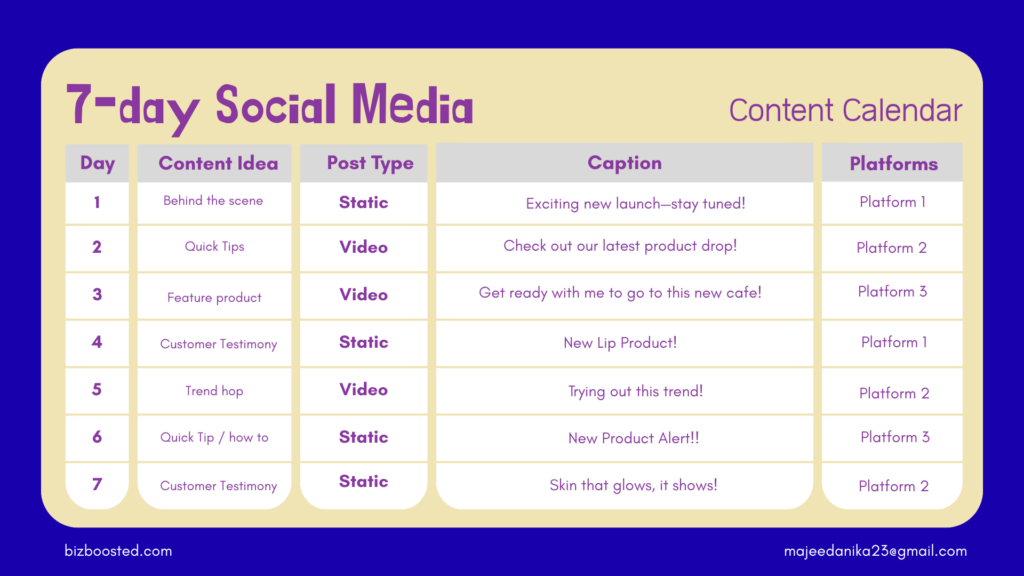
Most small businesses spread themselves across too many platforms before mastering even one. A local bakery might get far more value from a single, consistent weekly blog post answering customer questions than from juggling Instagram, TikTok, and email all at once with no real plan behind any of them.
For example, a small landscaping company in Ohio could publish one detailed post each week answering a specific seasonal question, such as when to aerate a lawn in their climate zone. Within a few months, that single habit can outperform scattered, unplanned social posts across multiple platforms, simply because it builds a focused body of search-friendly content instead of fragments spread thin across channels with no clear direction.
Repurpose instead of constantly creating new content
One well-researched blog post can become a social caption, an email newsletter, and a short video script. This single habit is one of the most underused tactics in content marketing for small business, since most owners assume every platform needs entirely original content, when in reality a single solid idea can be reshaped many different ways without losing its core value.
This approach also keeps messaging consistent across channels, which builds a clearer brand voice over time instead of disjointed content that feels like it came from different businesses entirely. Consistency in voice tends to build recognition faster than volume of output ever could on its own.
Real examples worth studying
A service business turning questions into content
A local HVAC company that documents the exact questions customers ask during service calls and turns each one into a short blog post builds a steady library of search-friendly content with almost no extra research required. This approach works because it mirrors real searches, not guesses about what might be interesting, and it naturally produces content that ranks for the exact phrases potential customers are typing into Google every day.
A retail brand using behind-the-scenes content
A small clothing boutique sharing short videos of how products are sourced or made tends to build more trust than polished product photos alone. Customers increasingly want to see the people and process behind a small business before buying, which makes this a low-cost, high-trust content angle that costs little beyond a smartphone and a few minutes of filming each week.
Latest update: what is working in 2026
AI helps with speed, not strategy
In 2026, AI tools speed up research and first drafts significantly, but the businesses seeing real results still rely on a human reviewing tone, accuracy, and relevance before publishing. Content marketing for small business that feels obviously AI-generated tends to underperform compared to content with a clear human voice behind it, since audiences have become noticeably better at spotting generic, automated writing across every platform.
Short, specific content outperforms long generic guides
Search behavior in 2026 increasingly favors content that answers one specific question clearly over long, generic overviews. A focused six-hundred-word post answering a single customer question often performs better than a sprawling three-thousand-word guide trying to cover everything at once, because it matches search intent more precisely and keeps readers engaged from start to finish.
Mistakes that quietly waste time and budget
Skipping a clear goal before publishing
Content without a measurable goal, such as more calls, more bookings, or more email signups, becomes impossible to evaluate honestly. Many small businesses keep publishing simply because they feel they should, without ever checking whether it is producing any business result worth the time invested in creating it.
Ignoring older content that could be improved
Older posts that already rank somewhat on Google are frequently ignored in favor of constantly publishing new content. Updating an existing post with fresher information, better examples, or clearer structure is often faster and more effective than starting from zero, and it tends to produce ranking improvements more quickly as well, since the page already has some established trust with search engines.
Treating every platform the same way
Many small businesses copy the exact same content across every platform without adjusting for how each one is actually used. A long, detailed blog post rarely works well copied directly onto a fast-moving social feed, and a short social caption rarely satisfies someone searching Google for a detailed answer. Content marketing for small business works best when each platform gets a version of the message shaped for how people actually use it.
How to know which content topics will actually work
Before committing weeks to a content plan, it helps to test ideas cheaply first. One simple method is to look at the exact questions customers already ask in person, over the phone, or in emails, and treat each one as a potential blog topic. These questions already have proven demand, since real people are asking them, which removes much of the guesswork involved in deciding what to write about next.
Another reliable signal is checking what competitors in your local area are publishing and noticing which topics seem to get engagement, such as comments or shares, even if you cannot see their exact traffic numbers. This does not mean copying their content directly, but rather understanding which themes resonate with your shared audience so your own content marketing for small business efforts start from informed territory rather than blind guessing.
A third approach involves simply asking a handful of existing customers what questions they wished they had answered before working with you. Their answers often reveal gaps in your current content that are easy to fill and tend to attract exactly the type of customer you want more of.
Why consistency outperforms perfection
Many small business owners delay publishing because they want every post to be perfect before it goes live. This instinct, while understandable, often slows down progress far more than it improves quality. A slightly imperfect post published consistently tends to outperform a perfect post that takes months to finish, simply because search engines and audiences both reward steady, ongoing presence over occasional brilliance.
This does not mean quality does not matter. It means that a reasonable standard, maintained consistently, beats an impossibly high standard that prevents anything from being published at all. Setting a realistic bar, such as a clear, helpful, well-organized post rather than a flawless one, tends to produce far better long-term results for content marketing for small business efforts with limited time and resources.
Many small business owners assume content marketing for small business requires expensive tools or a dedicated marketing hire before it can work. In reality, the most successful examples almost always start with one person, a notebook full of real customer questions, and a consistent weekly habit, proving that results come from focus rather than resources.
A realistic weekly plan to start this month
Pick one specific customer question you hear often and write one focused post answering it clearly.
Turn that post into one social caption and one short email this same week without much extra effort.
Choose a single primary platform and commit to it for at least eight weeks before adding another one.
Review one older post and update it instead of only creating something brand new.
Track one simple metric, such as inquiries or bookings, tied directly to your content efforts.
Conclusion
Whether you are just starting out or have been publishing inconsistently for years, the path forward looks the same: pick one clear audience, commit to one channel long enough to see real patterns, and treat every piece of content as a small test you can learn from rather than a final, permanent decision. Small, steady steps taken consistently over several months will almost always outperform an ambitious plan that gets abandoned after a few weeks of effort.
FAQS
What is content marketing for small business exactly?
It means creating and sharing useful content, such as blog posts, videos, or guides, that helps potential customers solve a real problem, which builds trust and gradually moves them toward becoming a paying customer rather than pushing a direct sales message from the very first interaction.
How much should a small business spend on content marketing?
Many small businesses see meaningful growth spending under one thousand dollars a year by focusing on consistent, low-cost content like blog posts and short videos rather than expensive paid campaigns or professional production studios.
How long does it take to see results from content marketing?
Most small businesses start seeing measurable traffic and engagement within three to six months of consistent publishing, though stronger lead generation results often build over six months to a year of steady, focused effort.
Is blogging still worth it for small businesses in 2026?
Yes, blogging remains one of the most cost-effective ways to build long-term search visibility, since a single well-optimized post can continue attracting visitors for months or years after the initial publishing date with little extra effort.
What is the biggest content marketing mistake small businesses make?
The most common mistake is choosing a content format before understanding the audience, which leads to scattered, unfocused content that rarely produces a measurable business result regardless of how often it gets published.
Should a small business hire an agency or do content marketing themselves?
This depends on available time and budget. Many small businesses start by handling content themselves, then bring in a freelancer or agency once they need more consistency, strategy, or specialized writing support to keep up.
How often should a small business publish new content?
Consistency matters more than frequency. Publishing one well-researched post every week tends to outperform sporadic bursts of content followed by long gaps, since search engines and audiences both respond better to predictable, ongoing effort.


4 Comments