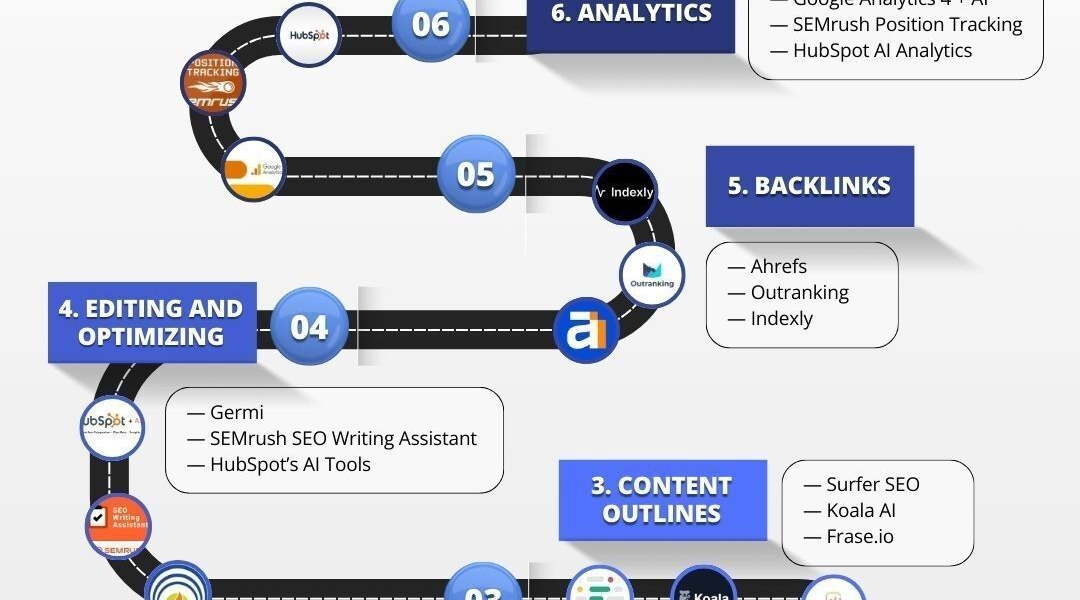
The digital marketing landscape has never been more competitive, and keeping up with search engine optimization manually is becoming increasingly difficult for agencies, freelancers, and in-house marketing teams alike. Between keyword research, content optimization, technical audits, link building, rank tracking, and reporting, the volume of SEO tasks required to maintain and grow organic visibility is enormous. This is exactly where SEO automation steps in as a genuine game changer.
SEO automation refers to the use of software, tools, and AI-powered systems to perform repetitive, time-consuming SEO tasks without constant manual input. Rather than spending hours every week pulling rank reports, auditing pages, or researching keywords one by one, automation handles these processes in the background while your team focuses on strategy, creativity, and client relationships. At BizBoosted, we have integrated SEO automation into our core workflow and the difference in output quality, speed, and client results has been substantial.
This guide is written for digital marketers, agency owners, and business owners who want a clear, practical understanding of what SEO automation can do, which tools are worth using, and how to implement it in a way that actually moves the needle on rankings and organic traffic.
What Is SEO Automation
SEO automation is the process of using technology to execute search engine optimization tasks that would otherwise require manual effort on a repeated basis. It covers a wide spectrum of activities including automated keyword tracking, site crawling, backlink monitoring, on-page optimization suggestions, content gap analysis, and performance reporting. The goal is not to remove human judgment from SEO but to eliminate the repetitive groundwork so that skilled marketers can focus their energy on decisions that require real strategic thinking.
Modern SEO automation is powered by a combination of traditional software capabilities and increasingly sophisticated artificial intelligence. Tools can now crawl an entire website overnight and deliver a complete technical audit by morning. Rank tracking systems monitor thousands of keywords across multiple search engines and locations simultaneously, updating data in real time without any manual input. Content optimization platforms analyze top-ranking pages and generate actionable recommendations in seconds. This level of efficiency simply cannot be replicated through manual processes, no matter how skilled or dedicated your team is.
Understanding what SEO automation actually involves also helps marketers use it more intelligently. Automation is not a replacement for expertise. It is an amplifier of expertise. The marketers who get the best results from automated SEO tools are those who understand what the data means, how to act on it strategically, and how to combine automated insights with human creativity and judgment. When that combination is working well, the results consistently outperform what either humans or automation could achieve working independently.
Why SEO Automation Matters for Your Business
The case for SEO automation comes down to three core business benefits: speed, scale, and consistency. In a field where search algorithms update constantly, competitors are always active, and client expectations for results are high, the ability to move faster, cover more ground, and maintain consistent quality across every account is a genuine competitive advantage.
Speed is perhaps the most immediately obvious benefit. Tasks that previously took hours now take minutes. A technical SEO audit that required a specialist to manually crawl pages, identify issues, and compile a report can now be completed automatically overnight and delivered as a structured, prioritized action list by the time your team starts work in the morning. Rank tracking that once meant manually checking positions for individual keywords across multiple search engines is now updated automatically on a daily or even hourly basis. This speed advantage compounds over time, allowing your agency to serve more clients, respond to changes faster, and implement improvements before competitors even notice an opportunity.
Scale is the second major benefit and it is particularly relevant for agencies managing multiple client accounts simultaneously. Without automation, scaling an SEO agency means hiring proportionally more specialists to handle the increasing volume of work. With SEO automation, your existing team can manage significantly more accounts without a corresponding increase in headcount, because the tools handle the high-volume repetitive tasks while your specialists focus on strategy and implementation. This is how modern digital marketing agencies grow profitably rather than just growing busily.
Consistency is the third benefit and it is often undervalued. Human-managed SEO processes are vulnerable to inconsistency. Tasks get missed during busy periods, reporting formats vary between team members, and auditing standards drift over time. Automated SEO systems perform the same checks, at the same frequency, to the same standard, every single time. This consistency is valuable both for the quality of your SEO work and for the professionalism of your client reporting.
Key Areas of SEO You Can Automate
SEO automation touches virtually every area of search engine optimization, but some areas deliver particularly high value when automated. Understanding where automation has the greatest impact helps marketers prioritize which tools to implement first and where to focus their automation investment.
Keyword research and tracking is one of the highest-value automation opportunities. Rather than manually researching keywords one by one and updating spreadsheets, automated tools can monitor thousands of keywords simultaneously, track ranking changes daily, identify emerging opportunities, and flag significant position drops that require immediate attention. This continuous monitoring gives you a real-time picture of your organic search performance without any manual data collection effort.
Technical SEO auditing is another area where automation delivers enormous value. Automated site crawlers can identify broken links, duplicate content, missing meta tags, slow page load speeds, crawlability issues, structured data errors, and hundreds of other technical factors that affect search performance. Running these audits manually on large websites is simply not practical at any useful frequency, but automated tools can crawl and audit continuously, alerting your team to new issues as soon as they appear.
Backlink monitoring is critical for maintaining SEO health but extremely tedious to do manually. Automated backlink tools track your link profile continuously, alert you when new links are acquired or existing links are lost, identify potentially toxic links that could harm your rankings, and monitor competitor backlink profiles for new opportunities. This ongoing intelligence is impossible to maintain without automation.
Reporting is perhaps the most universally appreciated SEO automation use case. Generating client reports manually from multiple data sources is time-consuming and error-prone. Automated reporting tools pull data from Google Analytics, Google Search Console, rank trackers, and other sources simultaneously, and generate professional, branded reports on a scheduled basis without any manual assembly required.
Best SEO Automation Tools in 2026
The market for SEO automation tools has matured significantly, and the quality of available options in 2026 is genuinely impressive. Based on real-world use across client campaigns at BizBoosted, here are the tools that deliver the most consistent value.
Semrush remains the most comprehensive all-in-one SEO automation platform available. Its automated site audit, position tracking, backlink monitoring, content optimization, and competitive analysis features cover the full SEO workflow within a single interface. For agencies that want one platform to handle most of their SEO automation needs, Semrush is the natural starting point and industry standard.
Ahrefs is the preferred tool for many SEO professionals focused primarily on backlink analysis and keyword research automation. Its site explorer, rank tracker, and content gap analysis tools provide deep competitive intelligence with a high degree of accuracy. The automated alerts for new and lost backlinks are particularly valuable for proactive link profile management.
Screaming Frog SEO Spider is the go-to tool for technical SEO automation. It crawls websites of any size and delivers comprehensive technical audit reports covering every major on-page and crawlability factor. Its scheduled crawl feature allows automatic audits to run at set intervals, giving your team a continuous picture of technical SEO health without manual triggering.
Google Search Console remains an essential free tool in any SEO automation stack. Its automated performance data, coverage reports, and enhancement alerts provide foundational intelligence about how Google is crawling and indexing your site. Connecting Search Console data to reporting tools like Looker Studio creates powerful automated dashboards at no additional cost.
Surfer SEO and Clearscope are leading tools for content optimization automation. They analyze top-ranking pages for any target keyword and automatically generate optimization recommendations covering semantic keywords, heading structures, content length, and entity inclusion. These tools bring a level of data-driven precision to content creation that manual optimization cannot replicate consistently.
SEO Automation for Content Marketing
Content marketing and SEO automation are increasingly intertwined, and the combination of the two creates some of the most powerful efficiency gains available to modern digital marketers. The content production process, from topic ideation through to optimization and performance tracking, can be significantly accelerated through well-implemented automation.
Topic research and content calendar planning are natural starting points. Automated tools can analyze search trend data, identify seasonal keyword opportunities, surface content gaps in your existing library, and generate prioritized topic recommendations based on search volume, competition level, and relevance to your core themes. What used to require hours of manual research can now be delivered as a structured content plan in minutes, allowing your writers to focus on producing quality content rather than figuring out what to write.
On-page content optimization is where automation delivers immediate ranking impact. Tools like Surfer SEO connect directly to your writing environment and provide real-time optimization scores as content is being written. They flag missing semantic keywords, suggest appropriate content length, recommend heading structures, and identify entity gaps, all automatically as your writer works. This real-time guidance produces content that is strategically optimized from the first draft rather than requiring a separate optimization pass after writing is complete.
Content performance monitoring closes the loop on content marketing automation. Rather than manually checking how each piece of content is performing in search, automated dashboards track ranking positions, organic traffic, click-through rates, and conversion metrics for every page in your content library simultaneously. Automated alerts notify your team when a page’s ranking drops significantly or when a new content opportunity emerges, allowing proactive responses before small issues become significant traffic losses.
Technical SEO Automation
Technical SEO is arguably the area where automation delivers the most reliable and consistent return. Technical issues like broken links, duplicate content, slow page speeds, and crawl errors directly suppress organic rankings, and finding them manually on large websites is both time-consuming and prone to oversight. Automated technical SEO tools eliminate this problem by running continuous, comprehensive checks without any human effort beyond initial setup.
Automated site crawls are the foundation of technical SEO automation. Tools like Screaming Frog, Semrush Site Audit, and Ahrefs Site Audit crawl every accessible page on a website and check hundreds of technical factors simultaneously. They generate prioritized lists of issues ranked by severity and impact, giving your technical team a clear action plan rather than a raw list of data to interpret. Scheduling these crawls to run weekly or even daily means technical issues are caught and addressed quickly rather than allowed to compound over time.
Page speed monitoring is a critical technical SEO factor that automation handles particularly well. Core Web Vitals scores, which Google uses as a direct ranking factor, can fluctuate based on server performance, code changes, new content, and plugin updates. Automated monitoring tools track these scores continuously and alert your team when they drop below acceptable thresholds, allowing rapid response before the ranking impact becomes significant.
Structured data validation is another technical area where automation adds clear value. Schema markup errors can prevent rich snippets from appearing in search results, directly reducing click-through rates on pages that are otherwise ranking well. Automated schema validation tools check your structured data implementations continuously and flag errors as soon as they appear, ensuring your rich snippet eligibility is always maintained.
Local SEO Automation
For businesses serving specific geographic markets, local SEO automation offers a particularly high return on investment. Managing Google Business Profiles, monitoring local citations, tracking local keyword rankings, and responding to reviews across multiple locations manually is an enormous time commitment. Automation brings this work under control and delivers it at a scale and consistency that manual management simply cannot match.
Google Business Profile management is one of the most impactful local SEO automation opportunities. Tools like BrightLocal and Whitespark can automate posting schedules, citation monitoring, and review alerts across multiple business locations simultaneously. For agencies managing local SEO for multiple clients, this kind of automation is essential for delivering consistent service quality without proportionally growing the team.
Local citation monitoring ensures that your business name, address, and phone number are consistent across all online directories, a factor that directly affects local search rankings. Automated citation audit tools scan hundreds of directories simultaneously and flag any inconsistencies that need correction. This continuous monitoring catches new errors as they appear rather than requiring periodic manual audits.
Local rank tracking provides automated visibility into how your business ranks for location-specific keywords across different neighborhoods, cities, or regions. Rather than manually checking positions for each keyword and location combination, automated tracking tools update this data daily and present it in clear dashboards that show exactly where your local visibility is strongest and where improvement is needed.
Limitations of SEO Automation
Approaching SEO automation with realistic expectations is essential for building workflows that actually deliver results. Automation is a powerful tool, but it has genuine limitations that every marketer needs to understand before relying on it too heavily.
Automation cannot replace strategic thinking. The tools can tell you that a page has a technical issue, that a keyword is trending, or that a competitor gained new backlinks. But deciding what to do about these insights, how to prioritize actions across competing opportunities, and how to position your content to genuinely serve your audience better than anyone else requires human expertise that no automation tool can replicate. The best SEO automation workflows keep humans firmly in charge of strategy while using tools to handle execution and data collection.
Quality content cannot be fully automated. While AI writing tools have improved dramatically, the highest-performing content in competitive niches still requires genuine expertise, original insights, and authentic authority signals that automated content generation alone cannot consistently produce. Google’s EEAT guidelines specifically evaluate experience, expertise, authority, and trustworthiness, qualities that automated content must be carefully reviewed and enhanced by human experts to demonstrate convincingly.
Over-automation carries real risks. Agencies that automate too aggressively without proper human oversight can miss important context, implement changes based on misinterpreted data, or create content at scale that lacks the quality signals Google increasingly rewards. The most successful SEO automation implementations maintain clear human review processes at every stage where quality and strategic judgment matter.
Conclusion
SEO automation has moved from an optional efficiency tool to a core operational requirement for any digital marketing agency or business that wants to compete effectively in organic search in 2026. The ability to automate keyword tracking, technical auditing, content optimization, backlink monitoring, reporting, and local SEO management at scale is what separates agencies that grow sustainably from those that plateau or burn out their teams trying to do everything manually.
FAQs
What is SEO automation?
SEO automation uses software and AI tools to perform repetitive SEO tasks like rank tracking, site auditing, and reporting automatically without constant manual effort.
Which is the best SEO automation tool?
Semrush is the most comprehensive option. Ahrefs is best for backlink analysis. Screaming Frog leads for technical audits. The right tool depends on your specific needs.
Can SEO be fully automated?
No. Automation handles data collection and repetitive tasks efficiently, but strategy, content quality, and creative decisions still require experienced human marketers.
Is SEO automation good for small businesses?
Yes. Free and affordable tools like Google Search Console make SEO automation accessible for small businesses, saving time and improving results without large budgets.
How does SEO automation help agencies?
It allows agencies to manage more client accounts simultaneously, deliver faster results, maintain consistent quality, and generate professional reports automatically, all without increasing team size proportionally.

1 Comment