By BizBoosted Team · Updated June 2026 · 12 min read

Scroll through TikTok or Instagram for more than a few minutes and there is a good chance you will run into someone showing off a giant box of cheap finds with the caption amazon haul. What started as a casual shopping habit turned into a full-blown content trend, and Amazon eventually took notice, launching its own dedicated section built entirely around this exact idea. Today, the term refers to both the viral video trend and Amazon’s own official ultra-low-price shopping experience.
This guide breaks down everything worth knowing about amazon haul, from how Amazon’s official store actually works to why the trend exploded online in the first place. Whether you are a curious shopper trying to figure out if it is worth your time, or simply trying to understand why this phrase keeps showing up in your feed, this article covers the full picture in plain, practical terms.
What Is Amazon Haul
Amazon Haul is a dedicated shopping section built directly into the main Amazon app, offering products priced at twenty dollars or less, with most items actually falling well under ten dollars. It functions almost like a store within a store, complete with its own browsing experience, search results, and checkout flow, though your cart still syncs with your regular Amazon account for easy combined checkout when needed.
Unlike standard Amazon orders, items in this section typically ship directly from overseas suppliers and arrive within one to two weeks rather than the next day delivery shoppers usually expect from Prime. Prime membership is not required to shop here, which sets it apart from much of the rest of the Amazon marketplace and makes it accessible to a much broader range of budget-conscious shoppers browsing the platform.
The Amazon Haul Trend on Social Media
Long before Amazon built its official store, the term was already a massive trend across social platforms, with shoppers filming themselves unboxing dozens of cheap items purchased in a single order. These videos blew up because they felt personal and relatable, more like watching a friend share exciting finds than sitting through a traditional advertisement trying to sell you something directly.
The hashtag associated with this trend has racked up tens of billions of views, and that level of attention is exactly what convinced Amazon to lean into the concept officially rather than simply watching the trend happen on other platforms. Influencers and everyday shoppers alike continue posting these videos regularly, often timed around major sales events when fresh deals and new products give creators something new to showcase.
How Amazon’s Official Haul Store Works
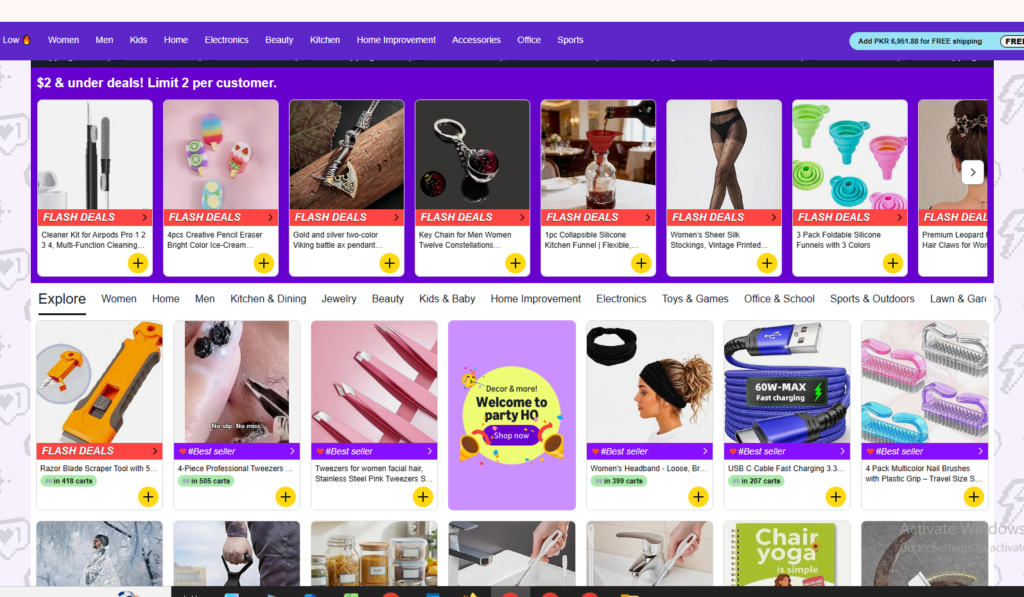
Once inside the dedicated section of the app, shoppers browse a curated catalog organized around themes, seasons, and trending categories rather than the standard search-and-filter experience used elsewhere on Amazon. This curated approach mirrors what made the social media trend so appealing in the first place, presenting a ready-made collection of finds instead of requiring shoppers to dig through thousands of unrelated listings themselves.
Pricing incentives also play a meaningful role in how the store encourages larger orders. Shoppers typically get free shipping once an order reaches twenty five dollars, with additional discounts kicking in at higher spending thresholds, often five percent off orders over fifty dollars and ten percent off orders over seventy five dollars. This structure naturally nudges shoppers toward bundling several small items together rather than purchasing just one at a time.
Why Amazon Launched Its Own Haul Section
Amazon’s motivation here was largely competitive, aimed directly at fast-growing budget marketplaces like Temu and Shein that had already captured significant attention from price-sensitive shoppers. Rather than losing that audience entirely to competing platforms, Amazon built a comparable ultra-low-price experience while still backing every purchase with its own existing trust infrastructure, including its standard guarantee covering product safety and authenticity.
This strategy also keeps shoppers engaged within Amazon’s own ecosystem rather than sending them elsewhere for cheap, trend-driven purchases. By offering its own version of this shopping experience, Amazon protects its overall market share while still giving budget-focused customers the kind of low-cost, high-volume browsing experience they had clearly grown to enjoy on other emerging platforms.
What Kind of Products You Will Find
The catalog spans an enormous range of categories, including fashion, home decor, beauty products, simple electronics, toys, and everyday accessories, with new items added constantly to keep the amazon haul selection feeling fresh and trend-aware. Many items sit comfortably under five dollars, and a growing portion now falls under the three dollar mark as the catalog continues expanding rapidly across nearly every category imaginable.
This wide variety is part of what makes the experience feel similar to the original social media trend that inspired it. Shoppers are not just buying one product after careful research, they are browsing playfully through an entire curated collection, often adding several small, low-risk items to their cart simply because the price makes trying something new feel practically effortless.
Pros and Cons of Shopping This Way
The clear advantage of amazon haul is price. Shoppers genuinely save money compared to standard retail pricing, and the ability to browse curated, themed collections makes discovering new products considerably easier than scrolling through endless unrelated search results. Combined with Amazon’s existing return policy and purchase guarantee, many shoppers feel more comfortable trying unfamiliar products here than they would on a completely unfamiliar overseas marketplace.
The tradeoff with amazon haul comes down to delivery speed and occasional quality inconsistency. Orders typically take one to two weeks rather than arriving the next day, and since many products ship directly from a wide range of overseas suppliers, quality can vary noticeably between similar-looking items. Shoppers who need something urgently, or who prioritize guaranteed premium quality, are generally better served sticking with standard Amazon listings instead.
Tips for Shopping Smart
Ordering just one or two units of a new product type before committing to a larger amazon haul bundle is one of the smartest habits a shopper can build here. This lets you confirm quality firsthand before scaling up to a bigger purchase, particularly for categories like beauty products or home accessories where quality tends to vary more noticeably between different overseas suppliers and listings.
Keeping track of return windows also matters considerably more than it might with standard, fast-shipping purchases. Since delivery already takes longer than usual, deciding quickly whether to keep or return an item once it finally arrives helps avoid missing the return deadline entirely, which is one of the most common ways shoppers end up losing money on otherwise reasonably priced purchases.
Is It Worth Trying
For planned, non-urgent purchases like party supplies, simple home organizers, seasonal decor, or low-cost accessories, the amazon haul shopping experience genuinely makes sense, offering real savings without much downside risk given the typically low individual price points involved. It works especially well for shoppers who enjoy browsing and discovering new products rather than searching for one very specific item with exact requirements in mind.
It is less suited for anything time-sensitive or for purchases where quality consistency genuinely matters most. A last-minute gift needed within a few days, or a product where performance and durability are critical, both fit more comfortably within Amazon’s standard, faster-shipping marketplace rather than this slower, ultra-low-price section built primarily around browsing and casual discovery.
Amazon Haul vs Temu and Shein
Comparisons between Amazon’s offering and competitors like Temu and Shein come up constantly, since all three platforms target the same budget-focused shopper looking for ultra-low prices. The biggest difference comes down to trust infrastructure. Amazon backs every purchase with its existing guarantee system, while shoppers on newer overseas marketplaces often have less recourse if a product arrives damaged or simply never shows up at all.
Selection size still favors the newer competitors in many categories, since they have had longer to build out massive catalogs purely focused on rock-bottom pricing. That said, Amazon’s version continues growing rapidly, with the company reporting selection growth of nearly four hundred percent within its first year alone. For shoppers who already trust Amazon as a platform, staying within this familiar ecosystem rather than creating a brand-new account elsewhere often feels like the more comfortable choice.
How Sellers Get Listed in This Section
Unlike the rest of the Amazon marketplace, this particular section is not an open program that any third-party seller can simply join on demand. Inventory for amazon haul is largely curated directly by Amazon, often sourced through manufacturer invitations rather than a standard open application process available to every interested seller looking to participate right away in this growing program.
That said, sellers can register interest through Seller Central, and Amazon has signaled openness to expanding access over time as the program continues to grow. Brands hoping to eventually qualify often create simplified product variants with smaller pack sizes and pricing positioned within the lower end of the accepted range, which tends to align more closely with what gets selected for inclusion in curated collections going forward.
The Psychology Behind the Haul Trend
Part of what makes amazon haul content so effective comes down to social proof rather than traditional advertising. Watching someone else unbox a stack of cheap, useful finds feels more like getting a recommendation from a friend than sitting through a sales pitch, which makes viewers far more receptive to trying products they might otherwise have scrolled right past without a second thought.
This same psychology carries directly into how the official amazon haul store itself is designed. Curated, themed collections mimic the feel of a friend’s recommendation rather than a cold, algorithm-driven search result, which helps explain why shoppers browsing this section often end up adding several small items to their cart rather than purchasing just one thing they originally came looking for.
Common Questions Shoppers Have Before Trying It
A frequent concern revolves around whether items in amazon haul are actually authentic, since the ultra-low pricing can sometimes feel too good to be true. Amazon addresses this directly by extending its standard purchase guarantee to this section as well, meaning shoppers retain the same basic protections they would expect anywhere else on the platform, even when buying unfamiliar, low-cost products from overseas suppliers.
Another common question involves whether prices in this section ever rise once an item becomes popular, similar to patterns seen on other budget marketplaces. While individual pricing can shift slightly over time as demand changes, the overall positioning of amazon haul remains anchored around that twenty dollar ceiling, with the vast majority of the catalog continuing to sit comfortably under ten dollars regardless of which specific items happen to be trending at any given moment in time.
How This Trend Is Reshaping Online Shopping Habits
Beyond Amazon’s own platform, the broader rise of haul-style shopping has noticeably shifted how many consumers approach online purchasing in general. Rather than searching for one specific item with a clear need in mind, more shoppers now browse casually, almost the way someone might wander through a physical discount store, discovering products they were not actively looking for but decide to try anyway simply because the price feels low enough to justify the risk.
This shift has real implications for brands and sellers as well, not just casual shoppers. As amazon haul and similar ultra-low-price formats continue gaining traction, traditional retailers increasingly need to articulate a clearer reason for their higher price points, whether that means stronger quality, faster shipping, or simply a level of trust that budget alternatives have not yet fully established in the eyes of cautious, price-conscious consumers.
What to Expect From Amazon Haul Going Forward
Amazon has been actively expanding this section well beyond its original launch market, rolling it out to more than two dozen countries and removing the beta label as confidence in the format grows. Continued international growth appears to be a clear priority, suggesting that amazon haul will likely keep expanding its catalog and global reach throughout the coming year rather than staying confined to its original scope.
Seller access also seems likely to evolve over time, even though the program currently remains largely curated rather than fully open. As demand continues climbing and competition with other budget marketplaces intensifies, it would not be surprising to see Amazon gradually open broader pathways for sellers hoping to get their products included in future amazon haul collections, particularly as the company looks to keep expanding selection at the pace shoppers have clearly come to expect.
Conclusion
What began as a casual social media trend has grown into a genuine shift in how budget-conscious shoppers browse and buy online. The amazon haul section represents the company’s direct response to that shift, blending the curated, discovery-driven feel that made the original trend so popular with the trust and reliability shoppers already associate with the broader Amazon platform.
You may also read this
FAQs
What exactly is Amazon Haul
A dedicated section of the Amazon app featuring items priced at twenty dollars or less, most well under ten.
Do I need Prime membership to use it
No, Prime is not required to shop within this particular section of the app.
How long does shipping usually take
Typically one to two weeks, since most items ship directly from overseas suppliers.
Why did the term become popular on social media
Shoppers began filming unboxing videos of cheap bulk purchases, and the trend went viral across platforms.
Is it safe to shop in this section
Yes, purchases are backed by Amazon’s standard guarantee covering product safety and authenticity.
What types of products are typically available
Fashion, home decor, beauty items, simple electronics, toys, and everyday accessories across many categories.