By BizBoosted Team · Updated June 2026 · 13 min read
Every artist hits a moment when the page stays blank and the mind goes quiet. That is exactly where drawing prompts step in. A good drawing prompt gives your hand a reason to move and your imagination a place to start. Whether you are a beginner or a professional illustrator chasing a daily habit, drawing prompts have become one of the simplest tools for staying creative.
This guide breaks down what drawing prompts are, why they are trending, who should use them, and how to turn a simple idea into a finished piece of art. We will also look at how artists are using these short creative sparks to stay consistent, avoid burnout, and even grow a small art-based business through regular, shareable practice.
What Are Drawing Prompts
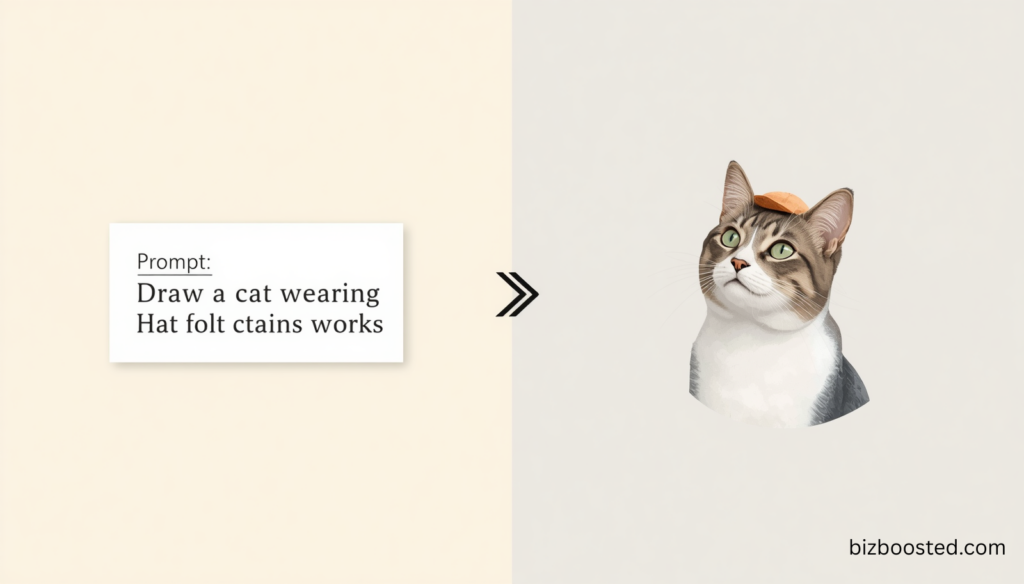
A drawing prompt is a short idea, word, or theme designed to inspire a piece of art. It could be as simple as “draw a cat wearing a hat” or as abstract as “draw what loneliness looks like.” The purpose is not to give you a finished concept, but to remove the hardest part of any creative process deciding what to make in the first place.
Most good prompts are intentionally open-ended. They give you just enough direction to start moving your pencil while leaving room for your own interpretation and style. That balance between structure and freedom is why drawing prompts work so well for artists at every level.
Why Artists Use Them
The biggest reason artists turn to prompts is simple: they kill decision fatigue. When you sit down with no plan, your brain makes dozens of small choices before you even pick up a pencil. A prompt removes most of that mental load instantly.
Beyond saving time, prompts build consistency. Artists who follow a daily or weekly list tend to draw more often because the barrier to starting is lower. Over weeks, this consistency compounds into faster skill growth and a fuller portfolio.
Why Drawing Prompts Are Trending Right Now
Drawing prompts have existed for decades, but their popularity has exploded recently. Visual platforms have made it easy for artists to share daily progress, and prompt-based art fits that format perfectly because it is bite-sized and repeatable.
At the same time, more people are turning to drawing as a low-pressure creative outlet outside of screens. Prompts offer an easy entry point for anyone who wants to create without the intimidation of an empty sketchbook. This shift has also been fueled by a wider cultural move toward slow, hands-on hobbies that balance out long hours spent on phones and laptops, making a simple sketch feel like a small daily reset rather than another task on a to-do list.
The Rise of Daily Art Challenges
Daily art challenges built around drawing prompts have become a reliable way for artists to gain visibility online. A single hashtag tied to a month-long prompt list can generate thousands of posts from artists drawing the same theme on the same day.
This format works because it gives viewers a reason to keep coming back. Followers know a new prompt-based drawing is coming, which builds habit on both sides the artist creating and the audience watching.
Latest Update on Drawing Prompts in 2026
The landscape in 2026 looks different from a couple of years ago. Communities now favor prompts that combine a subject with an emotional tone or storytelling angle, rather than a plain object study. This reflects how audiences respond more strongly to art with a narrative attached.
Prompt creators are also designing for shorter attention spans without sacrificing depth. Many current lists are built so a single prompt can be a fifteen-minute quick sketch or a fully rendered piece over hours, depending on the artist’s available time.
Community-Driven Prompt Lists
A large share of today’s most popular drawing prompts no longer come from official organizations — they come directly from artist communities. Independent illustrators and small groups regularly publish their own monthly lists tied to a unique hashtag.
This community-driven approach makes prompts feel more personal. Artists are more likely to participate in a list created by someone in their own niche, because the themes feel more relevant and the discussion feels more genuine.
Who Should Use Drawing Prompts
Drawing prompts are useful for almost anyone who picks up a pencil, but they serve different purposes depending on where someone is in their creative journey. Recognizing your own goals helps you choose the right type of prompt.
Prompts are also not limited to traditional pencil-and-paper artists. Digital painters, animators, and even hobbyist crafters regularly adapt them to fit their own creative process.
Beginners Building Confidence
For someone new to drawing, the blank page can feel intimidating. Prompts give beginners a low-stakes way to practice without the pressure of coming up with original ideas every time, letting them focus entirely on technique.
Repetition also helps. Drawing the same general category of subject across multiple prompts reinforces muscle memory and observational skills far faster than scattered, unplanned sketching.
Professionals Avoiding Burnout
Even experienced artists rely on drawing prompts, often as a deliberate break from client work. Prompts give their creativity a low-pressure outlet that does not come with deadlines or revisions.
They also help professionals experiment outside their usual style without the risk that comes with client-facing work, which can spark new techniques that eventually return to paid projects.
Best Drawing Prompts for Beginners
If you are just starting out, the best prompts focus on observation and basic shapes rather than complicated storytelling. Simple, concrete subjects let you build fundamentals without too many creative decisions at once.
A great approach is picking subjects you can find around your own home. This removes the pressure of imagining something from scratch and trains your eye to look closely at real objects.
Simple Object and Character Prompts
Everyday objects make excellent prompts because they are always available and naturally varied. A coffee mug, a pair of shoes, or a houseplant forces you to pay attention to proportion and shading without requiring imagination about what the subject should look like.
Animals and simple characters are also popular because they are recognizable and fun to draw at any skill level. A prompt like “draw your pet doing something silly” gives beginners room to be playful while practicing form and proportion.
Creative Drawing Prompts for Advanced Artists
Once the basics feel comfortable, prompts can shift toward more abstract or conceptual territory. Advanced artists generally get more value from prompts that challenge imagination and storytelling rather than technical fundamentals, which are already solid by this stage.
This is also where artists use prompts to deliberately push their personal style. A prompt that seems impossible to draw literally such as “draw a sound” forces an experienced artist to think symbolically rather than relying on technical accuracy.
Abstract and Narrative Prompts
Abstract drawing prompts ask you to represent something with no fixed physical form, such as an emotion or a concept like time. There is no “correct” reference to copy from, which forces artists to rely on symbolism, color, and composition to communicate meaning.
Narrative prompts ask the artist to imply an entire story within a single image. A prompt like “draw the moment right before something goes wrong” forces decisions about composition and expression that go beyond basic skill, and this is especially valuable for artists working toward comic or concept art careers.
Drawing Prompts for Specific Niches
Not every prompt list is built the same way, and different audiences benefit from prompts tailored to their needs. Recognizing which niche fits your goals saves time compared to working through generic lists, and it also makes it more likely that you will actually finish the prompts you start instead of losing interest halfway through.
Niche-specific prompts also tend to produce more focused skill growth, since they are designed around the particular challenges a specific group of artists actually faces.
Kids and Digital Artists
Prompts designed for children focus on fun, familiar subjects that do not require advanced motor skills. Ideas like “draw your dream treehouse” encourage imagination while keeping the task approachable for young learners and classrooms alike.
Digital artists often look for prompts that encourage experimentation with software tools or specific styles, such as pixel art or flat design. Many digital-focused lists are also built around speed, since tools make it easier to produce a polished piece quickly, and timed challenges train both speed and decisiveness.
How to Use Drawing Prompts Effectively
Simply having a long list of drawing prompts does not automatically lead to improvement. How you actually use them matters just as much as the quality of the prompts themselves.
The most effective approach combines structure with flexibility enough routine to build consistency, but enough freedom to avoid the activity feeling like a chore.
Routine and Progress Tracking
Committing to a specific schedule, whether one prompt a day or a few per week, removes the guesswork around when you should practice. A sustainable plan completed consistently for months will produce better long-term results than an unrealistic daily commitment that collapses after a few weeks.
Keeping a dedicated sketchbook for prompt-based drawings makes it easy to see real progress over time. Flipping through weeks of completed work side by side is one of the most motivating things an artist can do, especially during periods when progress feels slow.
Tools and Resources for Finding Drawing Prompts
There is no shortage of places to find fresh prompts today, from free online generators to dedicated communities built entirely around prompt sharing. Knowing where to look saves time compared to coming up with new ideas from scratch every day.
The right resource often depends on personal preference. Some artists prefer a downloadable list they can work through at their own pace, while others enjoy the spontaneity of a generator that delivers a brand-new idea with a single tap. Trying a mix of both approaches for a few weeks is usually the easiest way to figure out which style actually keeps you coming back day after day.
Apps and Hashtag Communities
A growing number of apps are dedicated specifically to generating drawing prompts on demand, letting users filter by category or difficulty for a tailored idea in seconds rather than scrolling through generic lists.
Social platforms remain one of the richest sources available. Searching a relevant hashtag often surfaces dozens of active monthly lists, and joining one of these communities provides built-in accountability since other artists following the same prompts will often engage with your posts directly.
How Drawing Prompts Can Help Grow Your Art Business
For artists trying to turn their craft into a small business, drawing prompts offer something valuable beyond skill-building a reliable source of fresh, shareable content. Consistent posting is one of the biggest challenges creative business owners face, and a steady stream of prompts solves that problem almost automatically.
This is particularly relevant for independent illustrators trying to build visibility online without a marketing team. A well-planned prompt routine can function as a simple, low-cost content strategy that keeps an audience engaged while the artist focuses on creating.
Content and Audience Growth
Each completed prompt is a ready-made piece of shareable content, complete with a built-in story about why it was created. This makes captions easier to write, since the prompt gives you a natural talking point rather than coming up with promotional copy from scratch.
Algorithms tend to reward consistency, and a structured list makes that far easier to maintain than relying purely on inspiration. Over time, followers come to recognize a particular artist’s interpretation of popular drawing prompts, which can meaningfully drive long-term audience growth.
Reviews What Artists Say About Drawing Prompts
Feedback across online art communities is overwhelmingly positive, particularly among artists who struggled with consistency before adopting a prompt-based routine. The recurring theme is relief — from decision fatigue, creative blocks, and the pressure of needing an original idea every time.
That said, the experience is not universally smooth, and understanding common friction points helps new users get more value from drawing prompts from the start. Knowing what to expect ahead of time, including the occasional dip in motivation, can make it much easier to stick with the habit through the slower weeks.
Benefits and Common Challenges
The benefit mentioned most often is improved consistency, with many artists describing how a simple daily prompt turned an irregular hobby into a genuine habit, along with noticeably reduced creative anxiety since the subject was assigned rather than self-chosen.
The most common challenge is running out of motivation partway through a long list, usually when prompts feel disconnected from personal interests. Setting a firm time limit for each prompt is a simple fix many experienced artists recommend to keep the practice light and sustainable, and switching to a more personally relevant list at the first sign of boredom can prevent the habit from fading out entirely.
Conclusion
Drawing prompts have grown from a simple classroom exercise into one of the most widely used creative tools across hobbyist and professional communities alike. Their real strength lies in removing the hardest part of any creative process deciding what to make while still leaving room for genuine self-expression. Whether you are a beginner building confidence, an illustrator avoiding burnout, or a small creative business maintaining a posting schedule, drawing prompts offer a flexible path toward all of those goals. The next time you stare at a blank page, a single well-chosen prompt might be exactly the push you need to start creating again.
You may also read this blog
Best Time to Post on Instagram
Frequently Asked Questions
What exactly is a drawing prompt? A short idea or theme meant to inspire art, giving you a starting point without dictating the final result.
How often should I use drawing prompts? As often as you can realistically sustain daily quick sketches or a few detailed pieces per week both work well.
Are drawing prompts only for beginners? No. Professionals use them too, often as a low-pressure break from client work.
Where can I find good drawing prompts? Apps, generators, downloadable lists, and social media hashtag challenges are all reliable sources.
Can drawing prompts help me improve faster? Yes, because they encourage regular practice, which reinforces fundamentals like proportion and shading over time.
Do I need expensive materials to start? No. A basic pencil and notebook are enough to begin working through prompts.
Can drawing prompts work for digital art too? Yes, they apply across every medium, including digital painting, pixel art, and illustration.
How can drawing prompts help my art business grow? They provide a steady source of content ideas, making consistent posting easier and supporting audience growth over time.